Mar. 13, 2026
In the oil and gas industry, precision and reliability in well construction are crucial. One component that plays a vital role in achieving this is the pup joint. These short sections of casing, tubing, or drill pipe are indispensable for adjusting the total length of tubular strings, ensuring accurate placement of tools and equipment in a well. Whether for spacing out drill pipe or customizing downhole operations, pup joints are fundamental to efficient well management.
At Haven, we specialize in providing high-quality pup joints, blast joints, and 2Cr13 stainless steel pipes tailored to client specifications. Recently, our Nigeria client’s orders, including these products, were completed successfully, showcasing our capability for customization and precision.
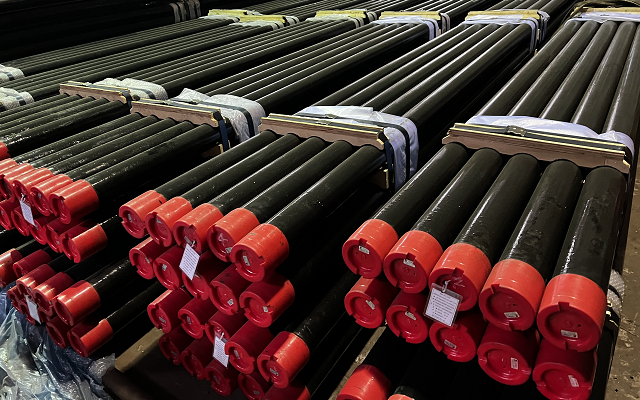
A pup joint is a short, non-standard length of tubular product, typically ranging from 2 to 12 feet, though lengths up to 20 feet are available. They are used in oil and gas wells primarily to “space out” drill pipe, casing, or tubing strings. This allows operators to accurately position downhole equipment and manage pipe strings efficiently.
Precise Length Adjustment: Pup joints allow for fine-tuning the total length of a tubular string, ensuring that downhole tools and equipment are positioned accurately.
Spacing Out Tools: In well completion, proper spacing is essential for the operation of subsurface tools, pumps, and valves.
Customization: Pup joints can be tailored to client specifications for unique well conditions or equipment requirements.
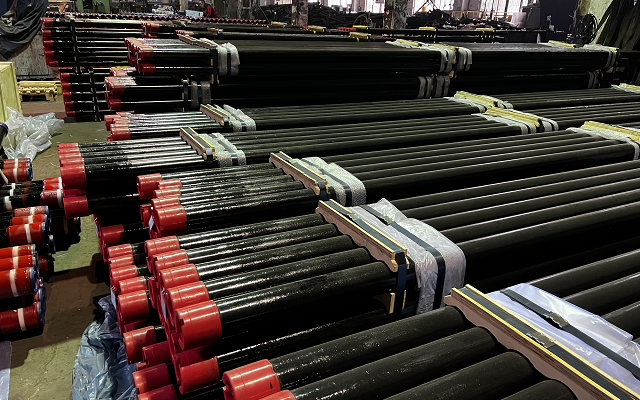
Pup joints come in a wide range of diameters and lengths, making them versatile for various applications:
Diameter Range: 2 3/8” to 24”
Common Lengths: 2, 3, 4, 5, 6, 8, 10, and 12 feet
Extended Options: Up to 20 feet upon request
These dimensions ensure compatibility with standard drill pipe, casing, or tubing, allowing operators to maintain consistent flow and structural integrity in the well.
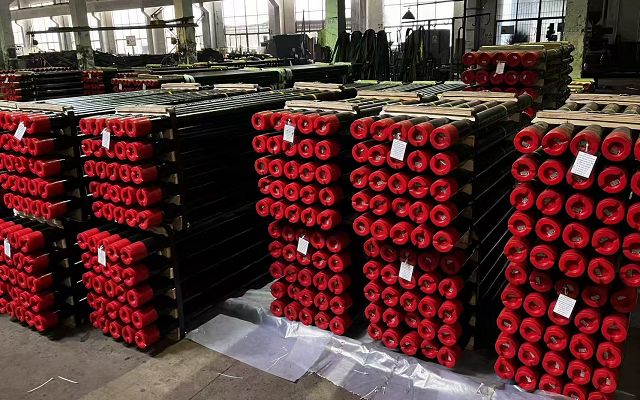
Pup joints are available with multiple connection types to meet industry standards and performance requirements:
API Connections: EUE (External Upset), NUE (Non-Upset), Buttress, STC (Short Thread Coupling), LC (Long Coupling), BC (Buttress Coupling)
Premium Connections: Advanced threaded designs that provide enhanced torque capacity, pressure control, and fatigue resistance
The choice of connection depends on the specific well conditions, operational requirements, and equipment compatibility.
High-strength steel is commonly used in the manufacture of pup joints, ensuring durability under extreme downhole conditions. The materials typically adhere to API Spec 5CT, which defines the mechanical properties and chemical composition for casing and tubing.
Steel Grades: High-strength carbon steel for standard applications
Stainless Steel Options: 2Cr13 stainless steel for corrosion resistance and high-temperature environments
Customization: Haven can produce pup joints with specific material grades, wall thicknesses, and heat treatments to suit demanding applications
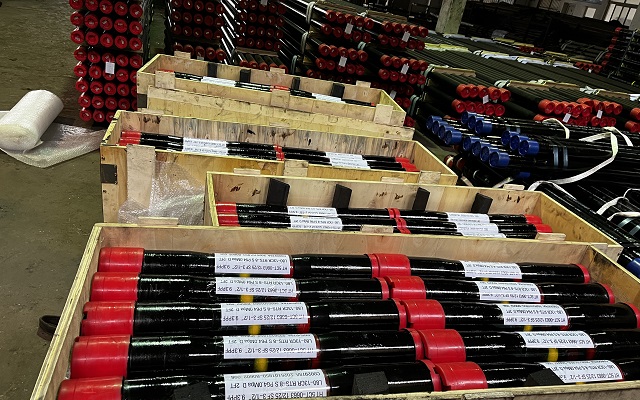
While pup joints are used primarily for length adjustment, blast joints serve a different purpose. Blast joints are thicker and more robust sections of pipe designed to protect casing in zones with high erosion risk, such as near perforations or sand-prone intervals. Both products are essential in well construction and completion, and Haven offers customized solutions for both to meet client specifications.
Well Drilling: Adjusting drill pipe lengths for precise bit positioning
Casing Operations: Ensuring accurate string length for casing installation
Completion Work: Spacing out downhole tools and pumps for optimal performance
Custom Wells: Providing unique lengths and connections for specialized well designs
By using pup joints, operators reduce downtime, improve operational efficiency, and enhance the overall safety and performance of the well.
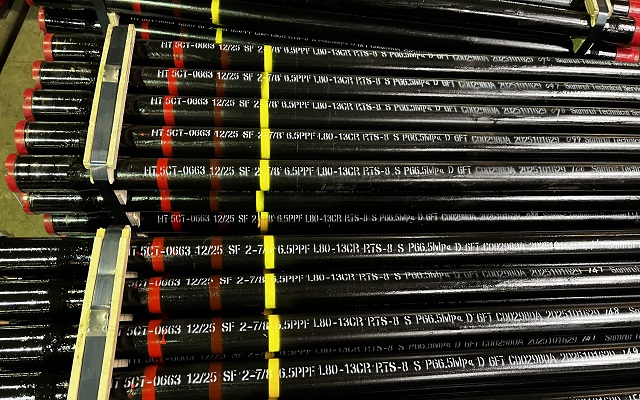
At Haven, we combine industry expertise with customization capabilities to deliver high-quality pup joints, blast joints, and stainless steel pipes. Our commitment includes:
Precision manufacturing for exact tubular lengths
Multiple connection options to match operational needs
High-quality materials, including API Spec 5CT steel and 2Cr13 stainless steel
Flexibility to fulfill client orders anywhere, including international projects
By choosing Haven, clients ensure reliable well operations and products tailored to their unique requirements.
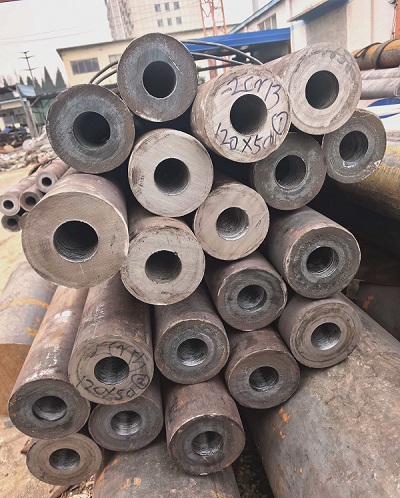
Pup joints are small but vital components in oil and gas operations. Their role in adjusting pipe lengths, spacing out tools, and supporting downhole equipment cannot be overstated. From standard lengths to custom specifications, materials, and connections, pup joints are essential for well efficiency, safety, and precision.
With the expertise of Haven, operators can access high-quality pup joints, blast joints, and stainless steel pipes customized to their exact needs, ensuring every well project meets its operational goals.

Q1: What is the maximum length of a pup joint?
A1: Standard pup joints range from 2 to 12 feet, but lengths up to 20 feet can be manufactured for specific applications.
Q2: Can pup joints be customized for different steel grades?
A2: Yes, companies like Haven can produce pup joints in various steel grades, including carbon steel and 2Cr13 stainless steel, based on client requirements.
Q3: What are the most common connection types for pup joints?
A3: Common connections include API EUE, NUE, Buttress, STC, LC, and BC, with premium connections available for enhanced performance.
Q4: Why are pup joints important in well operations?
A4: They provide precise length adjustments to ensure accurate positioning of downhole equipment, spacing of tools, and optimal management of pipe strings.
Q5: How are pup joints different from blast joints?
A5: Pup joints are mainly for length adjustment, whereas blast joints are thicker, more durable sections designed to resist erosion in critical well zones.

Haven - Equipment
Newsletter Subscription
We look forward to hearing from you

Navigation
Categories
Get in Touch
Service Hotline
+86 029-82697808 +86-18681851123
+86 15109273451
Address
Ruisen-Yunfeng Building, No.29 Nanerhuan East Road, Xi'An 710054 Shaanxi Province, China.