Aug. 04, 2026
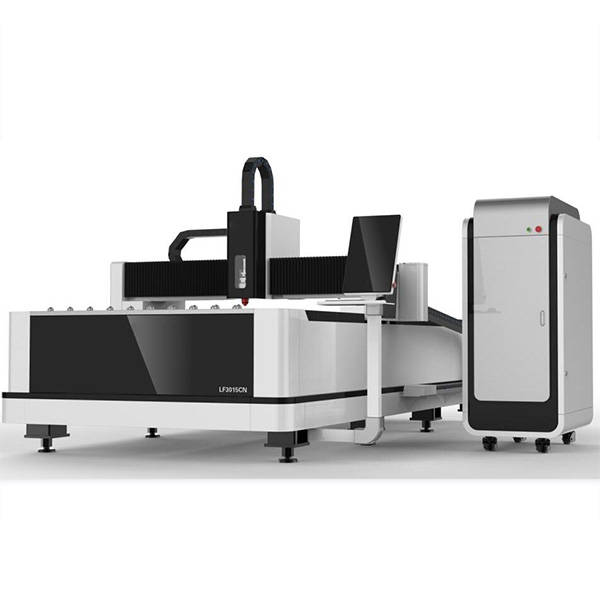
When it comes to precision manufacturing, one crucial question stands out: How thick can a Fiber Laser Cutting Machine cut? Understanding the capabilities of your equipment can transform your production line and increase efficiency. In this guide, I’m going to provide you with clear, actionable steps that will help you ascertain the cutting capabilities of fiber laser cutting machines, specifically with HAVEN machines, and optimize their efficiency in your business.
Many users often face challenges determining the maximum material thickness for laser cutting, leading to operational delays and lost business opportunities. By following this structured approach, you’ll gain insights into the settings and parameters of fiber laser cutting machines, enabling you to achieve optimal results consistently.
The first step to determining how thick a fiber laser cutting machine can cut is to consider the material type and thickness specifications recommended by HAVEN. Generally, a fiber laser cutting machine can handle various materials like stainless steel, aluminum, and carbon steel at different thicknesses.
It’s important to remember that the cutting thickness varies depending on laser power and technology. For instance, higher wattage machines (e.g., 1000W to 3000W) can cut thicker materials more efficiently.
After assessing the material type, the next step is to configure the machine settings for optimal cutting performance. Here\'s how to get started:
By following these steps, you’ll ensure that your laser cutting operations run smoothly, addressing common issues such as burn marks or excessive dross.
While using fiber laser cutting machines has numerous advantages, challenges can arise during execution. Here are the most common obstacles and how to address them:
Incorporating the right tools can significantly improve your cutting efficiency. Consider the following resources to further enhance your operations:
Now that we’ve covered how to determine how thick a fiber laser cutting machine can cut, it\'s essential to consolidate these steps.
By implementing these strategies, you will not only enhance the cutting thickness capabilities of your fiber laser machine but also improve overall productivity and quality. The time to act is now—let HAVEN machines empower your operations and elevate your cutting capabilities to the next level.
For more information on optimizing your fiber laser cutting processes, visit HAVEN’s website for expert guidance and product details.

Haven - Equipment
Newsletter Subscription
We look forward to hearing from you

Navigation
Categories
Get in Touch
Service Hotline
+86 029-82697808 +86-18681851123
+86 15109273451
Address
Ruisen-Yunfeng Building, No.29 Nanerhuan East Road, Xi'An 710054 Shaanxi Province, China.